Toys & Games Buying Guide: How to Choose Toys That Actually Get Played With
Anyone can buy a toy; the trick is buying one that’s still being played with in March. The gap between the two is where most toy money quietly disappears, and it’s also the exact gap that customer reviews close: thousands of parents reporting which toys held attention, survived enthusiasm and didn’t drive the household mad. Here’s how to use that, plus the habits that make toy shopping easier all year.
Open-ended beats single-trick. Age ranges matter, especially under three. Durability lives in the reviews, not the photos. And the best toy cupboards are built on a few heavily-loved classics, not volume.
Open-ended toys win the long game
The toys that stay in service for years share one trait: more than one way to play. Building sets become anything. Craft supplies never make the same thing twice. Pretend play kitchens serve imaginary meals for half a decade. Dolls and play figures star in stories that update themselves.
Single-trick toys, the ones that do one impressive thing at the press of a button, get the bigger gasp on the day and the earlier retirement. There’s room for both, but weight your spending towards the open end.
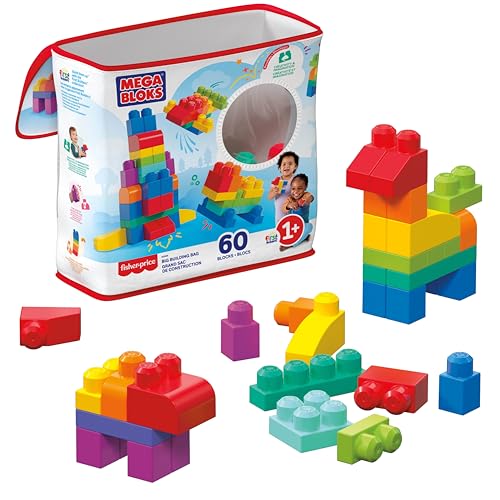 A big bag of chunky blocks is the classic open-ended starter: no instructions, no wrong answers. Check price on Amazon →
Take age guidance seriously, in both directions
Under-three warnings are genuine safety lines about small parts, not lawyerly caution, and they’re non-negotiable. Beyond safety, age ranges are a decent gauge of frustration: a kit pitched too old sits unfinished, one pitched too young gets dismissed as babyish by lunchtime.
Reviews refine the box guidance beautifully, because parents state their child’s actual age alongside the verdict. For baby and toddler toys especially, that crowd-sourced honesty about what a one-year-old genuinely reaches for is worth more than any marketing.
Durability is invisible in photos and loud in reviews
Every toy looks sturdy in the product shot. Whether the wheels survive the garden, the seams survive the washing machine and the hinges survive an enthusiastic four-year-old only shows up in reviews, usually within weeks.
Before buying anything with moving parts, batteries or emotional-attachment potential, skim recent reviews for “broke”, “snapped” and “stopped working”. For electronic toys and remote control toys, check real battery life too, because the box figure was measured in a kinder universe. And for a future favourite soft toy, the washing-machine reports matter most of all; that bear will need a bath eventually.
Games night is the best value in the toy aisle
A great board or card game costs less than a takeaway and delivers years of family evenings. The formula the classics nail: rules learnable in five minutes, rounds that finish before attention drifts, and enough luck that the youngest can beat the oldest occasionally.
Jigsaws belong in the same conversation, quietly the best calm-evening value going, and the review counts on the top puzzles tell you the piece quality is worth the small premium over bargain-bin boxes.
Gifts, parties and the December question
For birthdays and Christmas, the review-led approach removes most of the risk: the heavily-rated staples in advent calendars, dress-up and outdoor toys are popular precisely because they keep landing well. Buy seasonal items early, October for advent calendars, spring for garden toys, both for stock and for price.
Where to start
Every toy category here is ranked by genuine Amazon customer ratings and review volume, which is as close as shopping gets to asking a thousand parents first:
- Board games and card games for guaranteed family mileage
- Building and construction for the open-ended core
- Outdoor and sports toys for burning energy off-screen
- Educational toys for learning that doesn’t feel like it
The best toy is the one that’s still out of the cupboard next season. The crowd already knows which ones those are.
Frequently asked questions
How much should I spend on a child's toy?
Less than the adverts suggest, on fewer, better things. Review scores show almost no link between price and how much a toy gets played with. A brilliant card game costs under a tenner; plenty of £60 disappointments prove the point from the other side.
What's the safest bet for a child I don't know well?
Craft kits, building sets and the big-name family games rarely miss for primary ages, and soft toys cover the youngest. Check the age range on the box and, when in doubt, ask the parents; they know what's already in the toy box.
Do children really need fewer toys?
Research and exhausted parents agree: a smaller rotation of open-ended toys gets deeper play than an overflowing box. If a toy hasn't been touched in months, rotating it out and back later often revives it for free.